APPLE PODCASTS | SPOTIFY

If you’ve ever wondered what it really looks like to build a small business over time, this episode is a behind-the-scenes look at my journey with Moss Bags.
From teaching myself how to sew late at night to growing a handmade product-based business over the past 13 years, this story is filled with both the exciting moments and the harder seasons that shaped what Moss Bags is today.
In this episode, I’m sharing how it all began, what I’ve learned along the way, and why staying connected to your “why” matters more than anything.
Key Takeaways
- You don’t need a perfect plan to start - you just need to begin
- Your “why” will carry you through hard seasons
- Every stage of business looks different - and that’s normal
- Community can shape your journey in unexpected ways
- Growth often comes from adapting, not staying the same
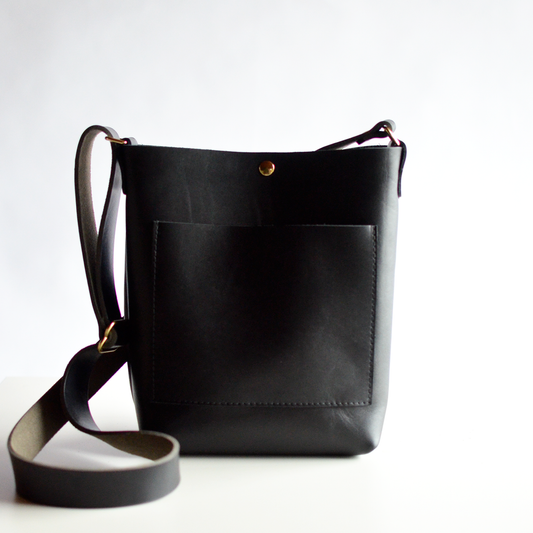
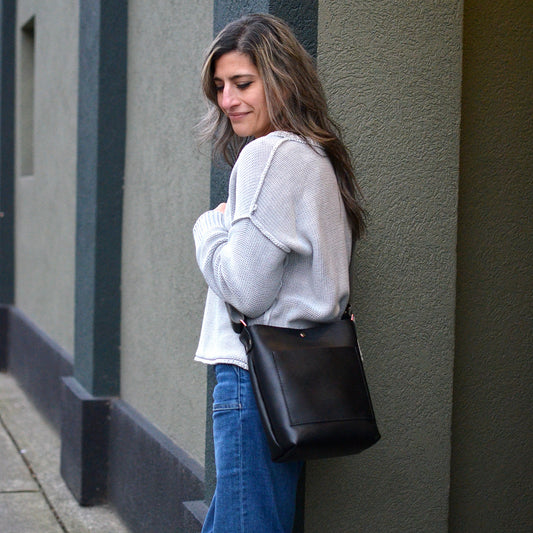
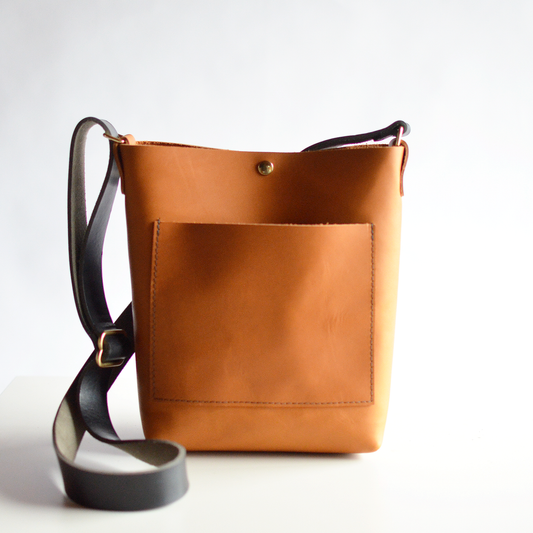
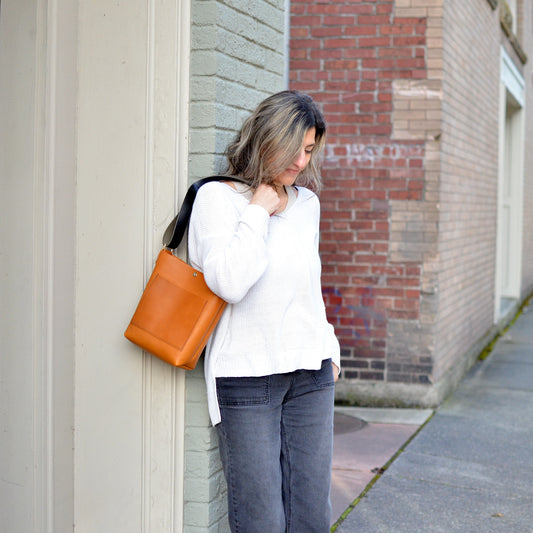
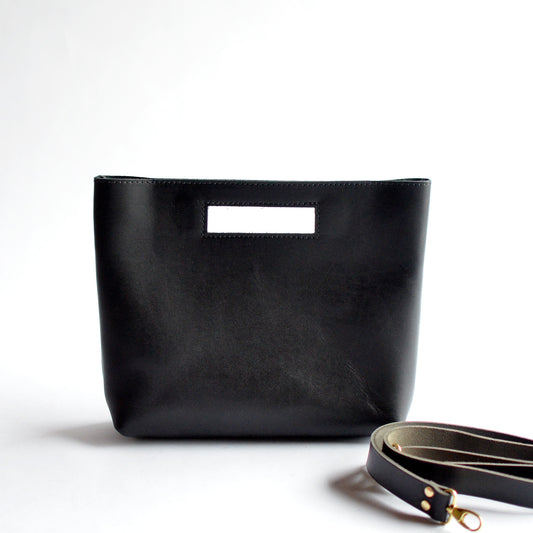
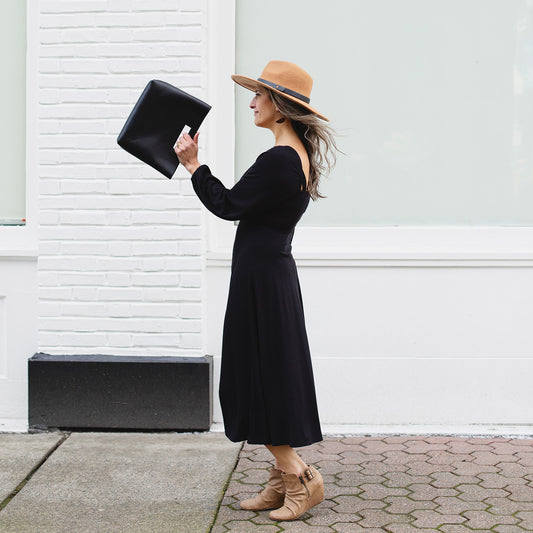
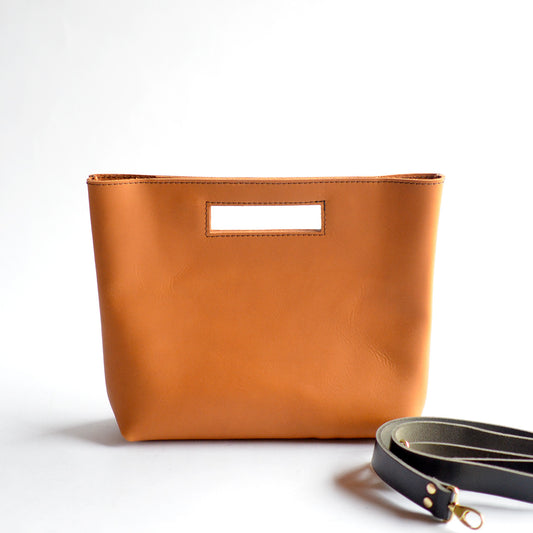
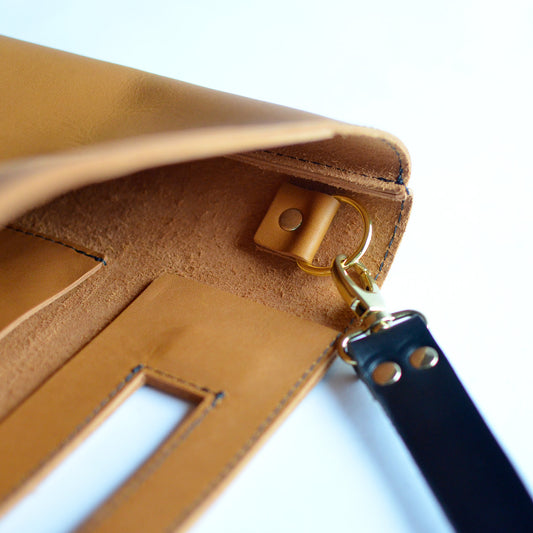
Moss Bags began with leather bags designed to be both functional and long-lasting, using full-grain leather that gets better with time.
Over the years, the business has evolved - including the creation of our Hero Dogs, small leather pieces that give back to guide and service dog organizations.
If you’re curious, you can explore the collection here.
Credits:
Photography by Jennifer Morrow | https://www.instagram.com/jennifermorrowphotography/
Full Episode Transcript
Years before Moss bags officially began in 2013, I walked into a store at 10 30 at night and bought a sewing machine. I didn't know how to sew and I didn't have a business plan, and I definitely didn't know how to price a bag. I just felt a pull to create something with my hands and without realizing it, that late night decision would eventually lead to a business that has been part of my life for over 13 years now.
Welcome to the very first official episode of Hey Julie by Moss Bags. There truly isn't a better place to start than at the beginning. Today I wanna share the story behind Moss, how it started, what I thought it would look like, and what over a decade of building a handmade business has actually taught me about seasons, resilience systems, and ultimately remembering my why.
If you've ever felt the pull to start something. If you're in the early stages, wondering if you're qualified enough, or if you're years into your business and navigating a hard or refining season, this episode is for you. So let's rewind a little bit. For over 12 years, I worked as a graphic and web designer.
I loved parts of it. It was fun to create things. I loved putting design pieces together like a puzzle. I loved helping people visually bring ideas to life. But after countless hours just sitting at a computer, my eyes hurt and my wrists were screaming, and I just knew something needed to shift. I felt this pull to work with my hands.
I didn't wanna create another file. I wanted to create something that you could hold. Now I've always loved making things. Art was my hobby, still is. I love watercolors and acrylic, charcoal, clay, even baking, creating something beautiful with my own hands that wasn't there before, felt special. And if you've ever worked in a service-based job, you will understand this.
Hey, uh, can you just make a quick logo? It's super simple. Uh, poster real fast, just five minutes. I just need five minutes of your time. Five minutes. That sentence alone pushed me over the edge more than anything else. I wanted something tangible, something real, something that didn't feel disposable.
The idea if, if you like it, you buy it. That felt clean and honest and just refreshing. And even before Moss officially existed, there were moments that planted the seed. That late night sewing machine purchase happened years before Moss officially became a business.
I came home that night, cut up old clothes, I washed tutorials, messed up, tried again, stayed up all night creating. There was no strategy, just curiosity. And eventually in 2013 that curiosity turned into moss bags. I didn't really know how to sell. I didn't really know how to sew. I didn't understand margins. I didn't know what I didn't know. But I started, and sometimes that's the only requirement. Now, I didn't just randomly land on bags. I love the idea of running my own product business. And if you liked what I was making and you wanted to buy it, I was happy that exchange felt tangible.
I had three paths I was considering all women purchased based. So I was thinking about moms. 'cause always bind for babies. Brides, 'cause traditions might evolve, but. Weddings aren't disappearing. And then women's accessories, how many women do you see walking around with a bag or some jewelry?
Most of them. So bags won for a few reasons. One, 'cause I didn't wanna deal with ring sizes, I didn't wanna work with brides. And two, I couldn't find the bag that I was wanting. So in the end I made it. That first design became the Holly Hobo and the honest truth. I loved what I was creating. I was proud every time I successfully designed something new and beautiful.
Without that love, I would've folded long ago. But the other thing that kept me going was my why. I knew I wanted more than two weeks off each year. I knew that if I had a family, I wanted to be with them during the day. And once my family grew, I loved the idea of showing my kids that they could create their own futures.
I wanted them to see how hard work can pay off, what dedication can look like, what it means to take pride in your work, and that if you want to choose a different path, well, that it's possible. I. When I decided to start Moss, I had this beautiful image in my head. I imagined being home with my kids sewing during nap time, making some money on the side, having this beautiful, peaceful rhythm.
It wasn't stressful. It was just a really creative outlet. Income coming in. Boom. Done. Sign me up. It just felt right. And here's what I've learned. The vision might be right, but the path will look different than you imagined every single time. The first few years were really fun. They were creative, filled with learning curves, and then my first son was born and he didn't sleep well for the first year.
Oh my goodness. That peaceful nap time image, it fell apart. I was exhausted. I questioned everything, but I was in it and sometimes staying in it is the work. When I rewind back towards the beginning, what I will never forget is how quickly community showed up. The moment I posted my first design on Instagram, people responded, a local store that I had previously done graphic work for, invited me to my first art walk.
They heard what I was doing and said, come sell here. And there's something so special, truly, so special about the moment your friends and family show up in an event. Not because you begged them to come, not because you want them to buy anything even, but simply because they love you. They come, they smile, they hype you up.
It's the energy you need and you didn't know you needed it. And it feels like they're saying, we love you and we see you, and we believe in you. That kind of support carries you further than any sale ever could. Oh, and my mom, bless her, she showed up that first day Walker and all. Proudly. She bought one of my very first bags, and to be clear, I didn't wanna sell her a bag.
I would've made her anything she wanted, but she insisted on paying. Now, just picture this old lady Walker and she chose a black bag Classic. Yes. But this one had hot pink stitching, hot pink zipper, and black and white Chevron interior. Oh, she insisted that it was exactly what she wanted, and when I told her I was quitting my job to make bags, she didn't blink.
She just said, sounds great. Community shaped this journey from the beginning. I also pulled from resources around me. A friend who was just starting her photography career helped me with photo shoots, and she still does. Thanks, Jen. Honestly, some of my closest friendships started from in-person events, from standing side by side with other women, setting up booths, celebrating wins, talking through the hard seasons.
Small business can feel lonely, but it doesn't have to be. And that's part of why this podcast exists. Now, I wanna share a few moments that really stand out because I've made so many mistakes over the years, but one that hit especially hard was trying to make something for everyone. If a customer suggested something.
If a store owner asked about seasonal colors, if someone said, I can't wait to see what's new, I literally dropped everything and tried to accommodate. At one point, I looked at my collection and I didn't like any of it. I didn't like the colors, the variety, not even the designs. I didn't like it, and it did not feel like me.
So that was a wake up call. I decided from then on I would only create what I loved, what I would personally use, and what felt timeless and aligned. I removed every design that didn't fit. I went back to what I liked, clean lines, minimal hardware, and full grain leather that lasts. And instead of reacting to every suggestion, I started filtering finally.
If it aligned, then great. And if it didn't, it wasn't for us. Yeah, that shift simplified everything, and honestly, that's when Moss started to feel like Moss again. And it was fun.
Over the 13 years, my business has evolved constantly from Instagram and Etsy to wholesale in-person markets, pr, email marketing, social media, and eventually fully on Shopify. The tools change. Algorithms change and trends change, but the heart behind the business never did.
There's one season in particular that really shaped me, and oddly enough, in the beginning we thrived. People were home, people were shopping, online sales were strong. It was surprising and kind of exciting in business. I remember thinking, wow, this is working. Everything I've set up, it's working just as I wanted it to.
And then what came after was devastating as a collective thing slowed down dramatically. Sales that felt consistent and easy, suddenly just started trickling in and only months earlier. I was barely keeping up. And now I was staring at a screen wondering where everyone went. I felt desperate, and in that desperation I made the biggest financial mistake in my business.
I hired a PR agency, O, even just saying that now I could cry thinking about how big of a loss that was. Honestly, as a small handmade business, the margins simply weren't there to support that kind of investment. But in that moment, I couldn't see any other way. So when that flopped, I had to reevaluate. I had to think hard, and I thought, if this, if we can survive this, then our foundation is strong.
So instead of chasing more visibility, I dug in and I went deep. I built an ecosystem with my website. At the core, I see it as a web, and the core is the site and everything else that branches out. With the marketing and the product focus sales channels, the season forced me to grow in a bus as a business owner, and for years before that, I really was just winging it.
And eventually I realized that passion alone wasn't enough. I really had to build the systems. Sustainability requires structures. We'll be talking a lot about that here, and I'm excited to hear how other business owners structure their businesses. That season forced me to look closely at what was actually working.
So over time, I started noticing something. Our smaller pieces, our accessories, and in particular our hero dogs, resonated deeply with people. They connected, they just worked. They're simple, they're meaningful, and they give back to organizations. Sometimes growth isn't about adding more or forcing something that's not working.
Sometimes it's about going deeper. Refining instead of expanding that season reminded me that business isn't just about revenue, it's about alignment. So today our hero dogs are still a reflection of that lesson. They remind me that the most powerful and impactful products aren't always the biggest ones, and maybe not even what I started selling at the beginning.
They're the ones that feel aligned now. So if there's one thing I want you to take from this episode is this. Anyone can start. You don't need to know everything. You don't need to be perfect, and you don't even need to feel like you're ready. Because you probably will never feel ready, but when it gets hard and it will, you have to remember your why.
Why you started your why anchors you when numbers dip, when launches flop, and when you question everything and your business will not look the same in every season. And that's not failure. That's simply growth. Being open to change while staying anchored to your why. That is sustainability. Now before we wrap up, I want to introduce something that will become a fun recurring part of the show, because if you've ever sold anything in person, then you know, people say the wildest things.
One of my favorites happened at an event this summer. A woman stood in my booth for, well, it was a really long time. She touched everything, looked at every bag and every accessory. She was really quiet. She kept to herself and then she looked at me and said, do people really buy these? And I just stood there.
I didn't have a witty comeback, so I simply said, yes, but it sounds like they're not for you. Then there's another time. Just this past holiday, two women were standing in front of my display and I was right there.
One picked up a handmade full grain leather wallet and said. She wants 25 for that, I'll give her $5. And I remember thinking, you are not my customer. And that's okay. That's part of business and that's part of what we'll talk about here, because building something meaningful requires thick skin and a strong why.
There's one more piece of this story that I can't leave out from day one.
My husband has been supportive, even when I didn't have a business plan, even when I hadn't figured out pricing, even when production was really messy and chaotic, he never discouraged me. He was encouraging. He believed in the vision even when it wasn't fully formed. And as the business grew, there came a point when production became more than I could handle on my own, and that's when we partnered up.
Today he runs the machinery that cuts all the leather. He's taken over fulfillment, and he's become a big part of moss bags. And I think it's important to say, because sustainability in business often requires support, not necessarily employees, but partnership, teamwork, shared belief, and I'm incredibly grateful for that.
So today, alongside my husband and two boys, a lot of leather, upgraded machinery and a whole lot of experience, I'm still here. I'm still sewing, I'm still learning and building. And when I zoom out and look at all of it. The wins, the mistakes, the pivots. I see something bigger. This podcast isn't about moss.
Not just about moss, it's about the women dreaming of starting and the women years into her business whose refining, rebuilding and rediscovering her. Why? It's a space for honest stories, real systems and conversations that remind us we're not alone.
So thank you for being here. If you've been building something or dreaming of starting, hit that follow so you don't miss the next episode. And if this resonated, I'd love it if you shared it with another woman who's in it too. And I can't wait to keep building this community together. Until next time.